
The Emergency Shelter “Madre Claudia Fischer” is an immediate care program of the Calasanz Foundation, designed to provide temporary protection and urgent support to children and adolescents who are in situations of imminent risk, abandonment, abuse, or living on the streets.
This space responds to the need for rapid and safe intervention, ensuring comprehensive care and the protection of rights from the very first moment.
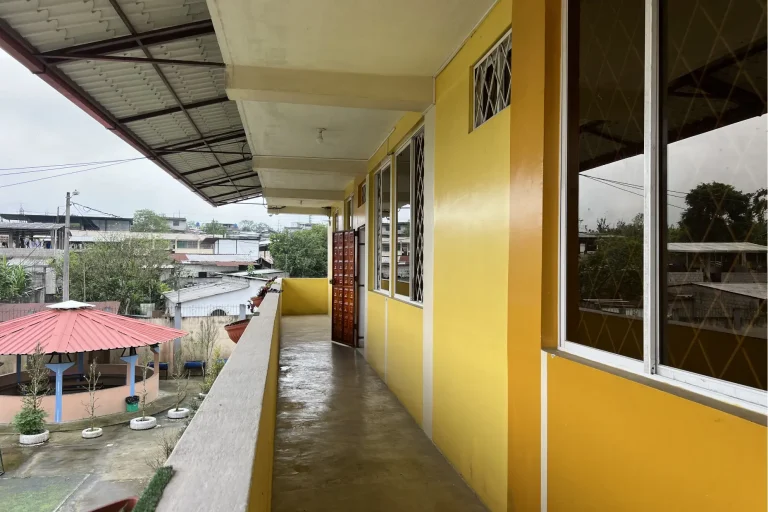
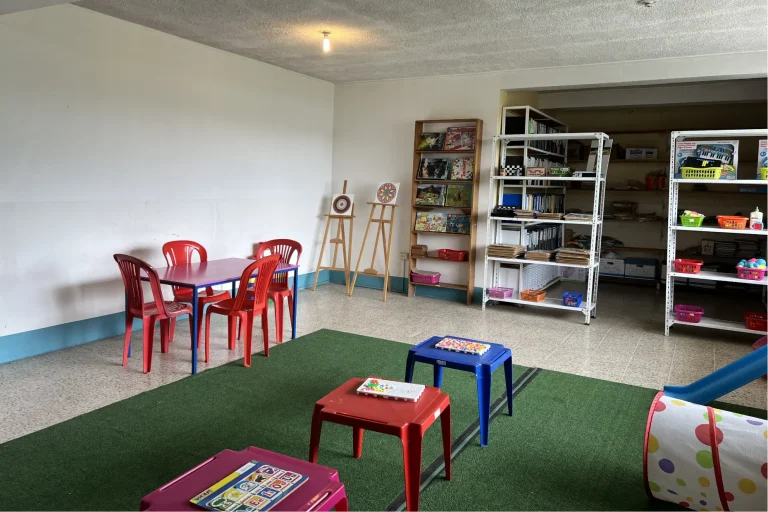


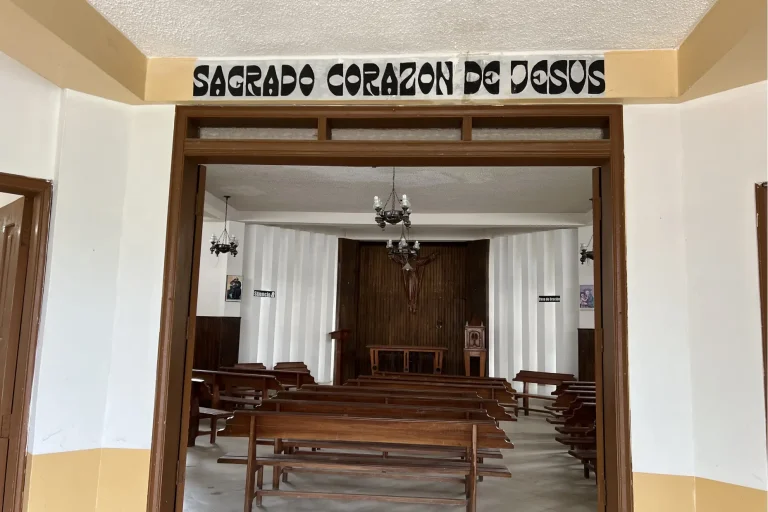
The Emergency Shelter “Madre Claudia Fischer” is a temporary care facility that provides immediate assistance to children and adolescents who must be separated from their family environment due to serious situations of vulnerability or violations of their rights.
Its main purpose is to offer a safe, protective, and caring environment while the necessary technical assessments are carried out and the most appropriate protection measures are defined for each case.
This program is intended for:
Children and adolescents in situations of imminent risk
Cases of abandonment, abuse, neglect, or mistreatment
Children and adolescents living on the streets
Cases referred by competent authorities
The Emergency Shelter offers:
Immediate reception and temporary protection
Accommodation and meals
Basic medical care
Emotional support and psychological accompaniment
Social follow-up and inter-institutional coordination
Comprehensive assessment to define appropriate protection measures
Intervention at the Emergency Shelter is based on a comprehensive, rights-based protection approach, prioritizing the physical and emotional safety of each child and adolescent. Support is provided in a respectful and close manner, taking into account each individual’s personal history and always seeking the best interest of the child.
This approach ensures timely, ethical, and humane care, focused on the restoration of rights and the search for sustainable solutions.
The Emergency Shelter works in coordination with public and private institutions, ensuring appropriate technical follow-up and responsible referrals to other protection measures, such as family reintegration, residential care, or other alternatives depending on each situation.
Temporary reception and protection